
Nika Museum, Maldives 2019
Official Invitation for a Solo Exhibition:
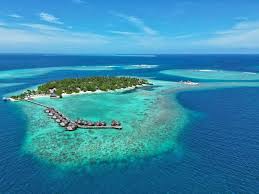
In 2019, I was invited to host a solo exhibition at the newly inaugurated Nika Museum, located within the grounds of Nika Island Resort in the Maldives. The museum had just opened, and being asked to present my work as one of their early featured artists was both humbling and meaningful.
The invitation came from the resort’s Italian owners, who have a long-standing appreciation for art and culture. They had selected me based on my exhibition history in Italy, which created a quiet sense of connection. I approached the project with openness and care, knowing this wasn’t just about showcasing work it was also about honoring a shared vision of place and history.
Two Journeys to One Island
Preparing for the exhibition involved two visits to Nika Island. The first was to install the work and walk through the space, understanding how the museum’s design could shape the viewing experience. The museum was built underground, with curved walls and a hushed, cave-like atmosphere. It felt like stepping into a private, reflective space—away from the usual noise of daily life.
My second trip was for the opening. The response from the audience was warm and engaged. The collection—focused on seascapes and the cultural life of the Maldives seemed to resonate with those who visited, especially within the setting of the island itself.
A Quiet Conversation
One moment from the opening has stayed with me. A guest who purchased a painting shared her reason:
“I chose your work not only because it moved me, but because it was created by a female artist. As you know, the art world is still very male-dominated.”
Her comment became the start of a thoughtful conversation, one that highlighted how art can reflect more than beauty it can reflect representation.
A Thought on Representation
Despite progress in many areas, female artists remain significantly underrepresented in the upper tiers of the global art market. According to research from Artprice and Artnet, none of the top 100 most expensive paintings ever sold at auction were created by a woman. Names like Leonardo da Vinci, Picasso, and Basquiat dominate the list, while groundbreaking female artists are often overlooked even when their work is equally innovative and culturally vital.
It’s a reality that continues to raise important questions for me. We’re living in the 21st century, yet the art world’s highest platforms still reflect long-standing imbalances. I can’t help but wonder: when will we begin to value women’s creative contributions with the same visibility and investment?
It’s not discouragement that drives me, but a quiet sense of purpose. Every exhibition, every conversation, every connection becomes part of something larger an ongoing dialogue about what we choose to value, and who we allow to be seen.



